What to Do First When a Dental Emergency Happens
When oral pain or trauma strikes, quick, calm action can make a real difference. Start by assessing safety: if there is heavy bleeding or difficulty breathing, seek immediate medical attention. For less severe but urgent dental problems, rinse the mouth gently with warm water to remove debris, apply light pressure to control bleeding, and use a cold compress on the outside of the cheek to reduce swelling and numb pain.
If a tooth has been knocked out, try to find the tooth and handle it only by the crown (the part normally visible in the mouth). If possible, rinse the tooth briefly with saline or milk — do not scrub it — and, when feasible, try to reinsert it into the socket. If reinsertion isn’t possible, store the tooth in milk, saline, or the patient’s saliva and bring it to the office right away. Time is important for replantation, so act promptly.
For fractured teeth, save any broken fragments and keep them moist. Avoid probing painful areas with fingers or sharp objects. Over-the-counter pain relief and an ice pack can help with discomfort until you can be seen. When in doubt about the nature or severity of an injury, contact a dental professional right away so the situation can be evaluated and triaged.
Urgent Conditions We Routinely Manage
Dental emergencies cover a broad range of problems. Some are acute and painful, like a sudden toothache or fractured tooth; others are related to infection or swelling that can affect overall health. Our practice treats both common urgent issues and less frequent but serious conditions with the same priority and care.
Typical emergencies include things like severe tooth pain, visible fractures or chips, teeth that have been dislodged or completely avulsed, and dental restorations that have come loose or fallen out. Soft-tissue injuries, such as cuts to the lips or tongue, can require careful cleaning and suturing. Rapidly progressing swelling or signs of systemic infection also require immediate evaluation to prevent complications.
We also see problems arising from wisdom teeth, abscesses, damaged dentures, and suspicious oral lesions that patients may be unaware are urgent. Below is a concise list of situations that warrant prompt attention:
- Persistent or severe toothaches
- Chipped, cracked, or fractured teeth
- Knocked-out (avulsed) or partially dislodged teeth
- Loose, broken, or lost fillings and crowns
- Swelling, facial or jaw swelling, or spreading infection
- Painful or problematic wisdom teeth
- Broken, ill-fitting, or damaged dentures or appliances
- Traumatic soft-tissue injuries and oral lacerations
- Suspicious lumps, sores, or lesions in the mouth
How We Evaluate and Prioritize Urgent Cases
When a patient arrives with an emergency, our first step is stabilizing comfort and controlling any immediate risks. That begins with a targeted history and focused examination to determine the source and severity of the problem. We look for red flags such as spreading swelling, fever, or signs of systemic involvement that may require urgent medical collaboration.
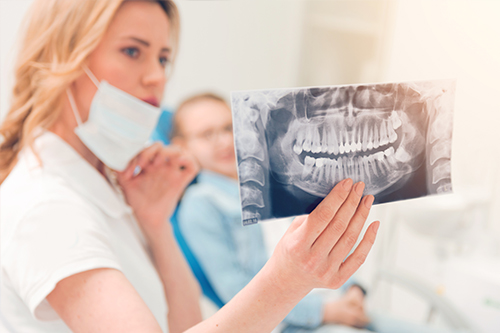
Diagnostic imaging and careful oral inspection help us identify whether the issue is limited to the tooth structure, involves the root or nerve, or includes the supporting bone and soft tissues. These assessments guide the short-term plan: addressing pain and infection first, then scheduling any definitive restorative or surgical care. Our team uses modern diagnostic tools to speed evaluation and improve the accuracy of treatment decisions.
Prioritization also considers functional needs and the potential for further damage. For example, a tooth that can be stabilized and preserved will be handled differently than one that is irreparably damaged. When appropriate, we coordinate with specialists — including oral surgeons or endodontists — to ensure patients receive comprehensive care quickly and efficiently.
Throughout the process, we keep patients informed about the findings and the recommended next steps, balancing immediate comfort with the long-term goal of preserving natural teeth and oral health whenever possible.
Treatment Options During an Emergency Visit
Emergency dental treatment focuses on relieving pain, controlling infection, and preserving oral structures. Short-term measures frequently include gentle cleaning of the area, temporary restorations to protect exposed tooth structure, and medications when indicated to manage pain and infection. These initial interventions buy time and stabilize the situation until definitive treatment can be completed.
When a tooth is cracked or has a lost filling, we may place a temporary filling or protective bonding to restore form and function quickly. If the nerve is involved, root canal therapy may be recommended to remove infection and save the tooth. In cases where a tooth cannot be reasonably restored, extraction may be necessary to protect adjacent teeth and overall health; we explain the rationale and next steps clearly to every patient.
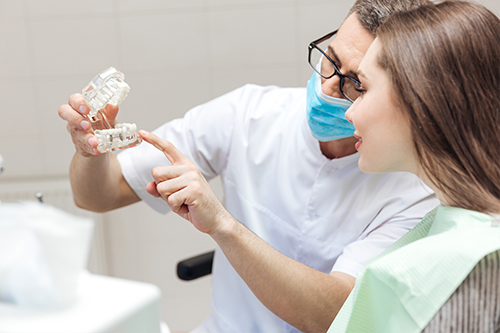
For dental infections and abscesses, drainage combined with appropriate medication can rapidly reduce symptoms and prevent spread. If a crown or bridge has come loose, we can often re-cement or repair the restoration to restore full chewing ability. Following urgent care, we outline definitive restorative and replacement options — such as crowns, bridges, implants, or dentures — tailored to the patient’s clinical needs and goals.
Our approach emphasizes conservative, evidence-based care. When referrals are in the patient’s best interest, we collaborate with trusted specialists to ensure the transition is seamless and the patient receives the highest standard of treatment.
Aftercare, Recovery, and Preventing Future Emergencies
After initial treatment, clear aftercare instructions are essential to a smooth recovery. Patients will receive guidance on pain management, oral hygiene modifications, dietary recommendations, and warning signs that require immediate reassessment. Follow-up appointments let us monitor healing and plan any necessary definitive restorations.
Prevention is a major focus once the urgent issue is resolved. Custom night guards can protect teeth from bruxism-related fractures; properly fitting sports mouthguards reduce the risk of traumatic injuries; and routine exams help us identify vulnerable restorations or developing problems before they become urgent. Educating patients on safe habits and early warning signs allows many emergencies to be avoided or minimized.
We also encourage patients to maintain regular dental checkups and to contact us promptly if new symptoms arise. Early evaluation and timely treatment are often the difference between a simple repair and a complex procedure. With attentive follow-up and preventive care, most patients are able to return to normal function and maintain long-term oral health.
At Zen Dentistry in Garden City, our team is prepared to respond to dental emergencies with prompt assessment, practical interim care, and thoughtful long-term planning. If you have questions or need guidance about an urgent dental issue, please contact us for more information and to arrange timely care.